

Our Approach
We look at the person behind the experience.
Recovery is not one fixed path, it’s a process of understanding, stabilizing, and rebuilding safety over time.

A modern scientific approach to Psychosis
Psychosis is understood as a spectrum of experiences that can include changes in perception, thoughts, emotions, and interpretation of reality.
Rather than seeing it as a single disease with one cause, we follow the latest modern scientific vision on it, an experience that can emerge through a combination of factors such as: stress sensitivity, trauma and emotional history, sleep disruption, environment and relational safety. Regardless of psychiatric diagnosis.
This perspective is supported by modern science and allows for more nuance, less fear, and more possibilities for recovery.

Restoring stability
My approach is grounded in restoring stability and supporting the person as a whole.
We focus on:
- nervous system regulation
- emotional processing
- reducing stress load
- understanding triggers and patterns
- creating safety in daily life
- supportive communication and connection
Not as quick fixes, but as building blocks over time, supporting lasting recovery

What we don't believe
We don’t believe:
- recovery is the same for everyone
- one method works for all
- psychiatric diagnosis defines your future
- people are “broken” or beyond change
We work from the belief that understanding creates more possibility.
How support works
If you want support, I offer:
🤍 1:1 Recovery Sessions
Personal guidance where we explore your situation and map out a recovery-oriented direction together.
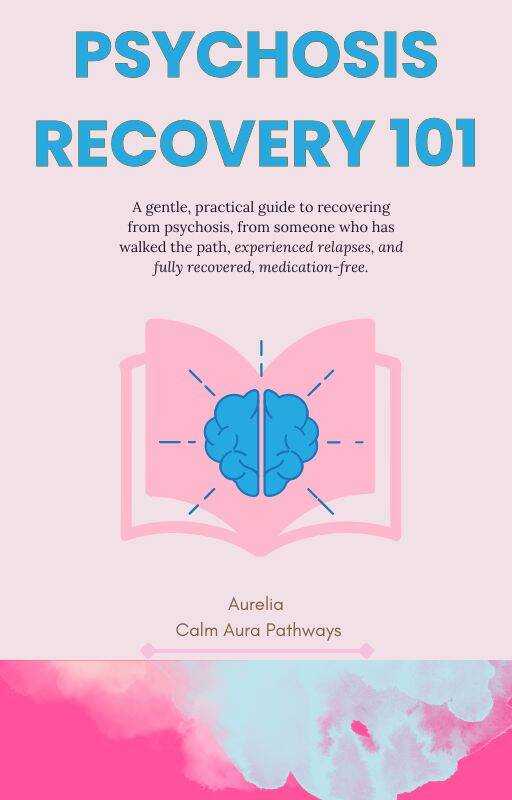
📘 Psychosis Recovery 101
A self-paced guide to understanding psychosis, nervous system regulation, and recovery pathways.
🎥 Masterclasses
Practical tools for navigating psychosis and supporting stability in real-life situations.


“Psychosis is a human experience that can change when understanding, safety, and regulation increase.”
Aurelia, creator of Psychosis Recovery 101, 7 years of lived experience.